
50
Platform deep dives that call out what each app collects.
The privacy book that updates itself. Every day, a new headline, mapped to the chapter of Volume I that already saw it coming. Read the news. Read the chapter. Run the toolkit.
Heard about the book on air? The free cleanse lives at theyalreadyknow.com.
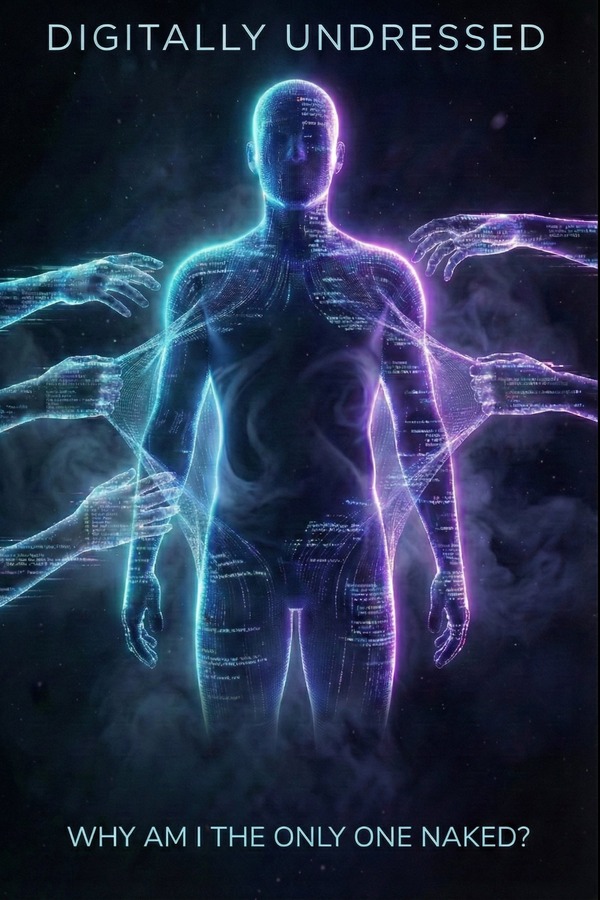
The living book
Move from the moment you recognize the pattern to the moment you decide what happens next. Every chapter below uses the original reporting, tools, evidence, and book material.
Not fear. Translation. Here is what is actually happening in 2026, in plain English, and the chapter that already mapped it.
In January 2026 the FTC finalized a 20-year order against GM and OnStar for collecting and selling drivers' precise location and driving behavior without clear consent. Chapter 48 maps that exact pipeline. The book exists so the next one does not blindside you.
The heart rate, sleep, and cycle data your fitness app collects is typically not protected the way your medical chart is. Chapter 49 shows exactly where the protection stops, and what to switch off tonight.
This book shows the chain instead. One tap opens an account, that account opens the next, and the last link is a real person in your inbox or at your door. Specificity is the difference between fear and a fix.
In May 2026 the FTC banned data broker Kochava from selling sensitive location data without consent. Chapter 34 explains how "check the weather" quietly became "sell my coordinates before the coffee cools."
That was by design. Reading every policy you accept in a year would cost you days. This book is the translation you were never handed, written so a parent, a teen, or a seventy-year-old can act on it.
Customer data tied to Hims & Hers was exposed in 2026 through its support vendor, not its core systems. The same pattern keeps repeating: the weak link is the chain, not the logo. The book teaches you to see the whole chain.
Caught Undressing ... live
This is the book updating itself against this week's world. The book named them. Here is the news catching them in the act.
Every story below is one app, broker, or breach caught taking more than you agreed to. The headline. The pivot the attacker walks (the chain that opens the next account, that opens the next, that calls a friend). The agreement someone clicked I Agree on for you. The chapter of Volume I that already saw it coming. Plus the 60-second move that stops the chain where you sit.
Real breaches from the news. The chapter that saw each one coming. What it costs you, in your terms. Guess first, then tap for the answer.
GM and OnStar collected drivers' precise location and driving behavior and sold it, without clear consent. In January 2026 the FTC locked them into a 20-year order.
Where you sleep. Where you work. How you drive on a bad day. An ordinary commute becomes a profile that can follow you to your insurer.
The book's move: Open your car's settings. Find Data Privacy or Connected Services. Turn off driving-data and location sharing. GM owners: opt out of Smart Driver.
Chapter 48 graded connected cars D- and named this exact pipeline before the order landed.
The FTC banned data broker Kochava from selling sensitive location data without a person's clear yes.
Your town. Not your GPS trail. Your location history is a map of your whole life: home, work, the doctor, who you visit. Sold cheaply, it is easy to buy and hard to take back.
The book's move: Set weather, shopping, and utility apps to Never or While Using. Turn Precise Location off. Then reset your Advertising ID so the old trail stops linking to the new one.
Chapter 34 graded weather apps F for exactly this trade: coordinates sold before your coffee cools.
Hims and Hers customer names and contact details leaked through its Zendesk support vendor. The company says medical records were not exposed.
The vendor. You never signed up with the company that got breached, and that is the point. Your name tied to a health service is a fact you cannot rotate like a password.
The book's move: Treat prescription emails as suspect for a few months. Open the app directly instead of clicking links. Turn on two-factor authentication on pharmacy and telehealth accounts.
Chapter 49 covers the gap: HIPAA protects your doctor's chart, not your app's vendor chain.
ShinyHunters breached Canvas: 3.65 TB of data tied to roughly 275 million students, teachers, and staff across about 9,000 schools.
Freeze the child's credit at all three bureaus. It is free. A stolen kid's identity can sit unused for a decade before it surfaces.
The book's move: Freeze your child's credit tonight. Then turn on breach alerts for every email address in the house.
Chapter 42 wrote the household playbook for this, age by age, before the breach made it urgent.
You are the one who reads the fine print now. The feed below keeps score for you.
Representative examples from the full grading matrix.
Micro-interactions map mood, attention, and beliefs rapidly.
Cross-session tracking builds durable personality fingerprints.
Read the full chapter →Disappearing content does not mean disappearing metadata.
Social graph and engagement patterns power long-term profiling.
Read the full chapter →Listening shifts can reveal life events and emotional states.
Behavioral timing data is often more valuable than track title.
Read the full chapter →Career movement, location, and social proximity are monetized.
Profile completeness pressures users to disclose more than needed.
Read the full chapter →Stronger defaults and minimized data retention by design.
Still requires user hygiene for device-level safety.
Read the full chapter →Seemingly harmless checks can trigger high-frequency location sales.
Data resold into adtech and broker ecosystems.
Read the full chapter →Pulled directly from the manuscript so you can feel the voice before you commit.
"Snapchat sells a feeling of impermanence while the system still captures enough metadata to model behavior over time."
Chapter 2 walks the feed loop end to end: hesitation, replay, and dwell time become a profile. The full pull quote waits in Data-Naked Moments below.
"Most readers can make meaningful privacy gains before their coffee cools if the instructions are clear."
Built so a seventy-year-old can finish step one without help. Print and tape to the fridge if you want. The book is the textbook; these are the lab worksheets.
The same rubric professional security auditors use, with the formula spelled out so you can grade anything new that shows up in your kid's app store next week. Six dimensions. A through F. No vibes.
Five changes anyone can make in the time it takes coffee to brew. Independent testing showed documented exposure drops between sixty and eighty percent. This is Chapter 41 as a single page.
Age-by-age scripts for talking to kids, parents, and that one cousin about privacy without sounding like a hostage negotiator. Plus the seven settings to change on every family device this weekend.
Not paranoid. Reasonable. Adjacent to professional. For the reader who already did the cleanse and wants the next ten steps that move the needle without making everyday life worse.
Step-by-step protocol for SSN, financial, and medical exposure. The sequence matters. Skipping step three is how identity theft compounds. Eleven minutes if you're focused.
Instagram. TikTok. Facebook. X. Snapchat. LinkedIn. With screenshots. No "check your privacy settings" hand wave ... here are the settings, by name, in order, with what happens when you change them.
Same content in every edition. Pick speed, portability, or shelf presence.
Digitally Undressed is the first of three. The spine below grows as each volume ships; nothing here is a placeholder.
Volume I - available now
348 pages. 50 platforms graded A-F. Three action toolkits. The living sections above update against it every week.
Get Volume I →In progress - scheduled for 2026
Six preview chapters are already included free in Volume I. Read them today, then get one email when the full volume lands.
Join the Volume II list →Dedication
For everyone who clicked “I Agree” without reading the terms. This book is your translation.
Pulled straight from the manuscript. One per chapter, this is the voice of the book.
The Closing Chapter rule: pick three. Do them this week. Privacy is a practice, not a project. Check one off live, the rest before bed.
Weather apps are the most aggressive location brokers on your device. They do not need precise GPS to tell you it is raining. Open settings, find every weather app, switch to "Never" or "While Using." Done.
Venmo defaults transactions to Public. Strangers can see what you pay for. Settings, Privacy, set default to Private, then "Change All to Private" for your history. Two taps.
Snap Map broadcasts real-time location to every friend. Open Snapchat, tap your face, gear icon, "See My Location," toggle Ghost Mode. Do it on your phone and your kid's tonight.
Welcome back to clothed.
Three things. Done. That moves the needle more than ninety-nine percent of digital citizens have done all year. Now grab the full 10-Minute Cleanse below for the next three.
Leave with something tonight
One PDF. Ten minutes. Real settings you can change before bed. Drop your email and the 10-Minute Privacy Cleanse from Chapter 41 lands in your inbox. No spam. No tracking pixels. Obviously.
One email. One PDF. You can unsubscribe by closing the email.
Keep your technology. Drop the blind spots. Start with one chapter tonight.